

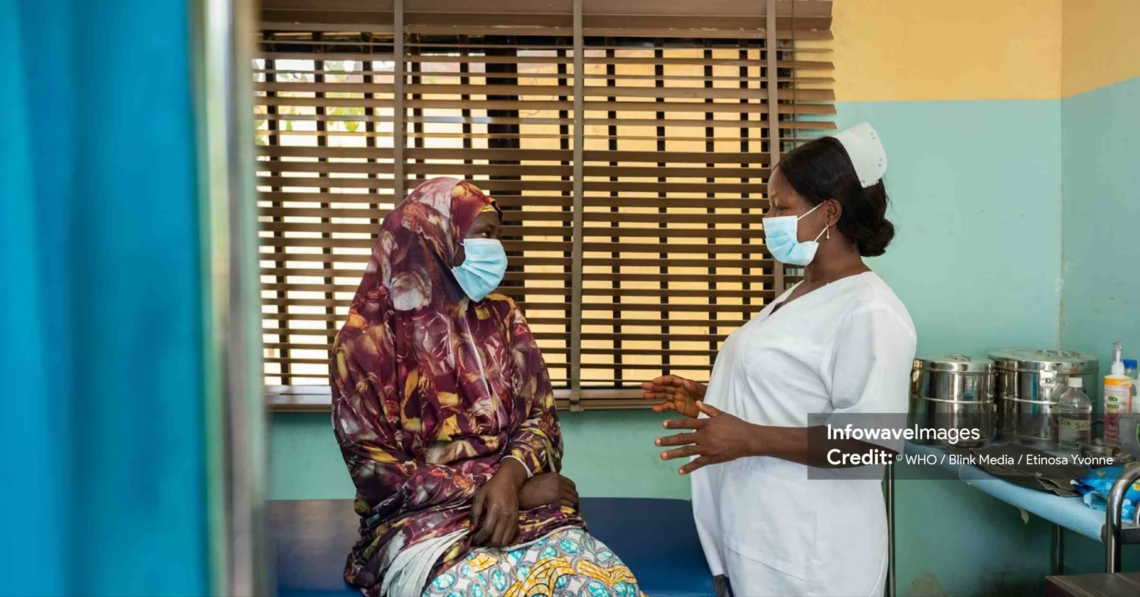
January is a moment for us to pause and reflect on a health issue that affects women and families across the world: cervical cancer. Although many people have heard the name, few truly understand how this disease starts — or how much of it can be prevented.
Cervical cancer develops in the lower part of the uterus and is almost always caused by a persistent infection with human papillomavirus (HPV). HPV is very common, and most sexually active people will encounter it at some point. In many cases, the immune system clears the infection naturally, but when certain high-risk types of HPV persist, they can trigger abnormal cell changes that may lead to cancer over time. (World Health Organization)
In 2022, an estimated 660,000 women were diagnosed with cervical cancer globally, and about 350,000 lost their lives to the disease. Tragically, the vast majority of these deaths occur in low- and middle-income countries, where access to preventive services like vaccination, regular screening, and early treatment is limited. (World Health Organization)
What We Know
- Cervical cancer is largely preventable and treatable when detected early. (World Health Organization)
- HPV vaccination protects young girls against the virus types most likely to cause cancer. (World Health Organization)
- Regular screening — even for women who have been vaccinated — helps find changes before they become cancer. (World Health Organization)
- Women living with HIV are at higher risk and should be especially supported to access care. (World Health Organization)
To guide global action, the World Health Organization has outlined goals for 2030 that, if met, would put the world on a path toward eliminating cervical cancer as a public health problem:
- 90% of girls fully vaccinated against HPV by age 15
- 70% of women screened by ages 35 and again by 45
- 90% of women with precancerous changes or cancer receiving quality treatment (World Health Organization)
What You Can Do
- Encourage HPV vaccination for girls aged 9–14
- Get regular cervical screening, according to local health guidelines
- Support loved ones in accessing health services
- Talk openly about prevention and care
Cervical cancer doesn’t have to be a threat to women’s lives — and the more we know and act, the more lives we can protect.
To learn more about cervical cancer and prevention, visit the WHO fact sheet:
https://www.who.int/news-room/fact-sheets/detail/cervical-cancer